
How to Stop Three-Putting: The Pace System You Can Train Indoors
Three-putts come from pace, not line. You don't three-putt because you missed the read — you three-putt because the first putt finished six feet short or long. The pace system that fixes it, trainable indoors.
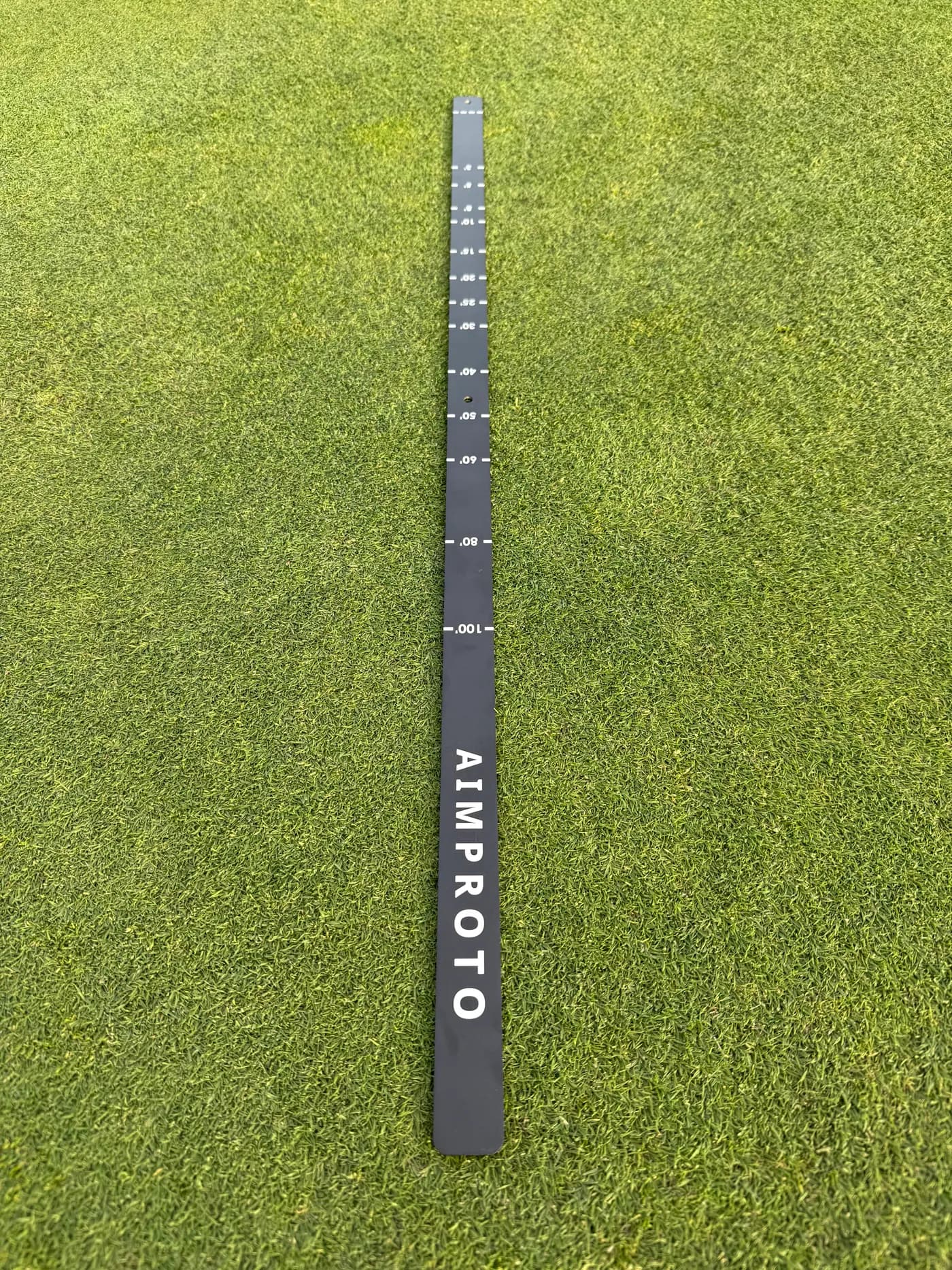
Three-putts come from pace, not line. You almost never three-putt because you misread the break — you three-putt because your first putt finished six feet short or long and left a hard second one. Fix your lag pace and three-putts mostly disappear. Here is the system, and all of it trains indoors.
Why you actually three-putt
Pull the data on any amateur's three-putts and the pattern is obvious: they start outside 20 feet and the first putt finishes well short or well past the hole. The line was fine. The distance was not. Line gets all the attention on the practice green; pace is what is quietly costing you strokes.
The lag that saves pars
The goal of a long putt is not to make it — it is to finish inside a putter length so the next one is a tap-in. Train it with a ladder: putt to targets at roughly 10, 20, and 30 feet and try to finish each beside its marker, not at a hole. You are training a feel for how far back to take the putter for a given distance.
The missing skill: pace calibration
Here is why the ladder drill usually stalls: you have no repeatable reference for what a 20-foot stroke feels like, so you re-guess it every session. That is the exact gap AimPutt closes. The bottom rail carries a laser-etched pace chart that maps backswing length to roll-out distance, so "20 feet" becomes a specific, repeatable stroke length instead of a feel you rebuild every time you practice.
The short second putt
Fixing pace shrinks your second putts, and the clock drill finishes the job: six balls in a circle three feet around the hole, make all six, restart on a miss. Never missing the short one is what turns a bad lag into a two-putt instead of a three.
A 10-minute anti-three-putt routine
- Ladder — 6 min. 10, 20, 30 feet, finish each within a putter length. Most balls outside 20 feet.
- Clock — 3 min. Six three-footers in a circle, make all six.
- One long lag — 1 min. A single putt from the far end of your surface to a target, dialing in feel.
Notice there is almost no straight-makeable-putt practice here — that is on purpose.
Three-putting FAQ
Why do I three-putt so much even when my line looks good? Almost always distance control. Your first putt finishes too short or too long and leaves a hard second. Train lag pace, not line, and three-putts drop fast.
How do I practice lag putting at home? The ladder drill on any flat surface: mark distances, finish each putt beside its marker rather than at a hole. Add a pace reference so the stroke becomes repeatable.
Is three-putting a line problem or a speed problem? Speed, almost every time. Amateurs rarely three-putt from a missed read; they three-putt from a bad lag distance.
What is the fastest way to stop three-putting? Two things: calibrate your lag pace so first putts finish close, and never miss the short second putt. The ladder and the clock drill together.
Ready to make pace a number instead of a guess? Pre-order AimPutt - buy one, get one free. Estimated shipping is mid-October 2026.
Related reading: 7 Putting Practice Drills That Actually Lower Your Scores · The 15-Minute Putting Practice Routine · Best Putting Training Aids of 2026