
The Best Golf Swing Training Aids of 2026 (What Each One Actually Fixes)
The best golf swing training aid isn't a product — it's a match between your specific fault and the tool that makes it visible. A category-by-category guide to what actually fixes path, face, speed, and setup.
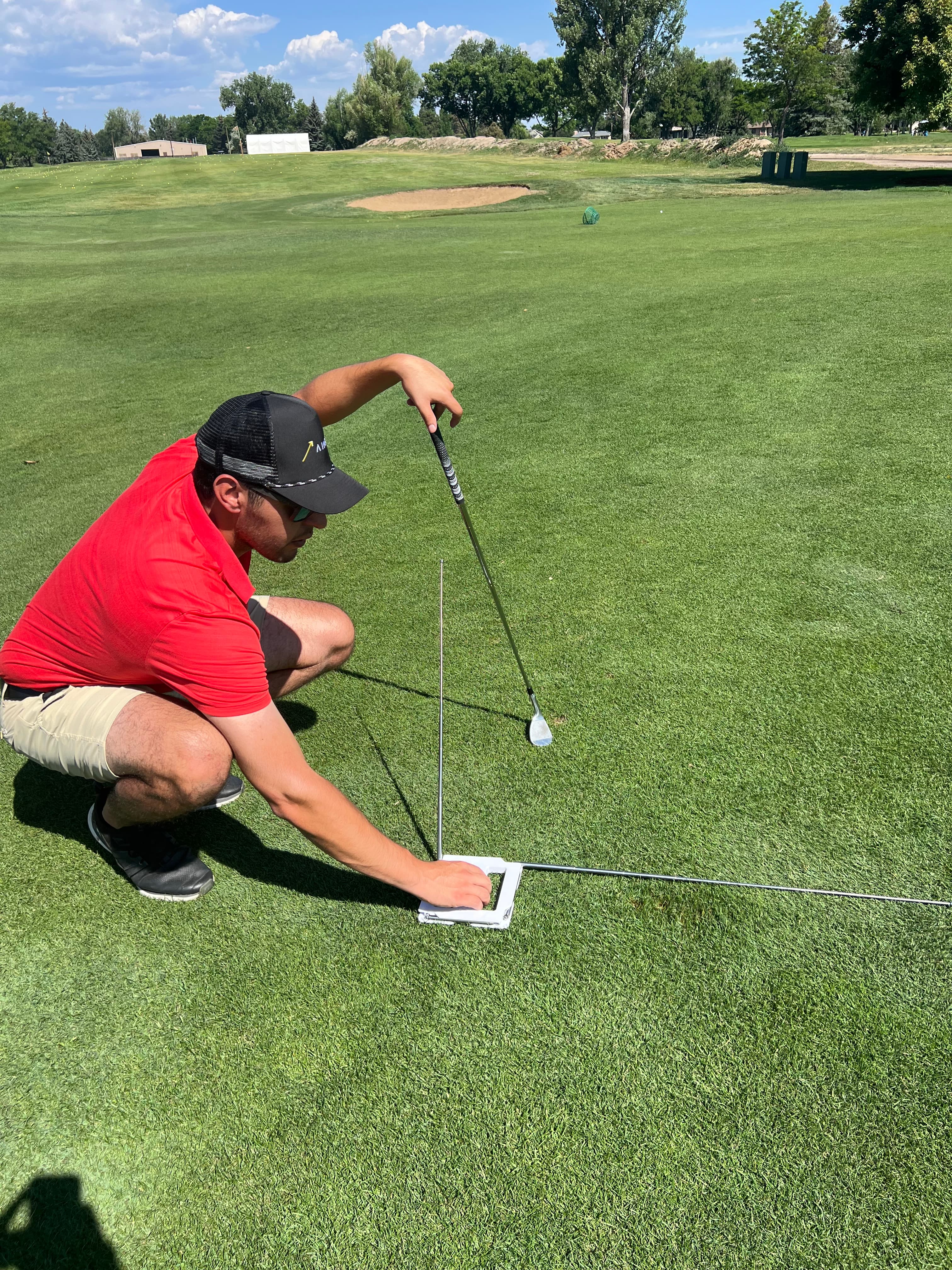
The best golf swing training aid is not a product — it is a match between a specific fault and the tool that makes that fault visible. Searches for "golf swing training aid" are up sharply this year and the market is flooded, so instead of a ranked gadget list, here is the honest version: the major categories sorted by the one thing each actually fixes. Diagnose first, then buy.
Diagnose before you spend a dollar
Most golfers buy an aid for the swing they think they have. Before you shop, figure out which of these is costing you the most shots:
- Alignment and path — slices, pulls, pushes
- Face control — inconsistent start direction
- Speed — not enough distance
- Tempo and sequence — fat and thin contact
- Setup and posture — the errors that make everything else worse
The aid that fixes your biggest leak is your best aid. Everything else is a drawer decoration.
Alignment and path aids — where most amateurs should start
If your misses curve, your clubface and path are fighting, and you cannot feel it because the ball is already gone before the feedback arrives. Alignment aids make the target line, start line, and swing path visible before you move. Loose alignment sticks are the entry point; their limit is that they only mark lines on the ground and roll out of position between reps.
This is the category AimBox is built for: a fold-flat base with four rotating rods you configure into a repeatable corridor for path, a target-line reference for alignment, and a ball-position guide — one setup instead of four sticks that drift.
Impact and face aids
Impact bags, impact balls, and face tape train the moment of truth: is the face square, is the low point in front of the ball. They are excellent for face awareness and pair naturally with a path reference — face and path together decide ball flight, and training one without the other is half a fix.
Speed trainers
Weighted speed sticks (swing three of them, light to heavy) train your body to move faster through overspeed reps, and they genuinely add clubhead speed. The catch: speed with no repeatable path just adds distance to your slice. Build the two together — see Can a Training Aid Actually Add Swing Speed?
Tempo and connection aids
Weighted tempo trainers and a simple towel or strap under the arms fix rushing and sequence. If your contact is inconsistent rather than curved, tempo may be your real problem, not path.
Setup and posture aids
Mirrors and posture references fix the errors that happen before the club moves — boring, unglamorous, and responsible for more bad shots than any swing flaw. If you have never checked your setup against a reference, start here.
The problem with a drawer full of single-purpose aids
Buy one aid per fault and you end up with five props, five setups, and no reason to use any of them. The aids that actually get used cover several faults in one quick setup and travel to the range, simulator, or backyard. That is the whole idea behind AimBox: alignment, path, ball position, chipping, and putting references in one compact tool, so practice is one setup away instead of a scavenger hunt.
Golf swing training aid FAQ
Do golf swing training aids actually work? Yes — the ones that give immediate feedback on a single fault. An aid that shows your path, face, or setup while you can still adjust builds real change; a gadget with no feedback loop just grooves whatever you already do.
What is the best swing training aid for a slice? An alignment and path reference. A slice is a path-and-face mismatch you cannot feel, so making the path visible before you swing is what lets you train a new pattern.
What is the best swing aid for beginners? Start with alignment and setup, not a specialized fault-fixer. See Best Golf Training Aids for Beginners.
Can I use swing training aids at home? Most of them, yes. A net, a mat, and a visual reference cover the majority of swing practice indoors — see Golf Practice at Home.
Ready to make your path and setup something you can see? See AimBox — alignment, path, ball position, chipping, and putting references in one compact, fold-flat tool.
Related reading: Fix Your Slice with the Over-the-Top Drill · Golf Practice at Home · Best Golf Training Aids for Beginners